 Engineering Sustainability Science
Safety that thinks ahead
An overview of how the NEX GEN platform is being designed to sense, predict, and respond to lithium-ion battery risk. Technical briefings are available under NDA.
Four capabilities, one system
Multi-signal monitoring
Many independent signals are observed together rather than relying on any single indicator.
AI-based risk assessment
Artificial intelligence is designed to recognise patterns that precede thermal runaway.
Coordinated protective response
Charging, isolation, and suppression are intended to be coordinated from one decision point.
Remote monitoring & reporting
A remote battery monitoring module is planned to support fleet visibility and compliance records.
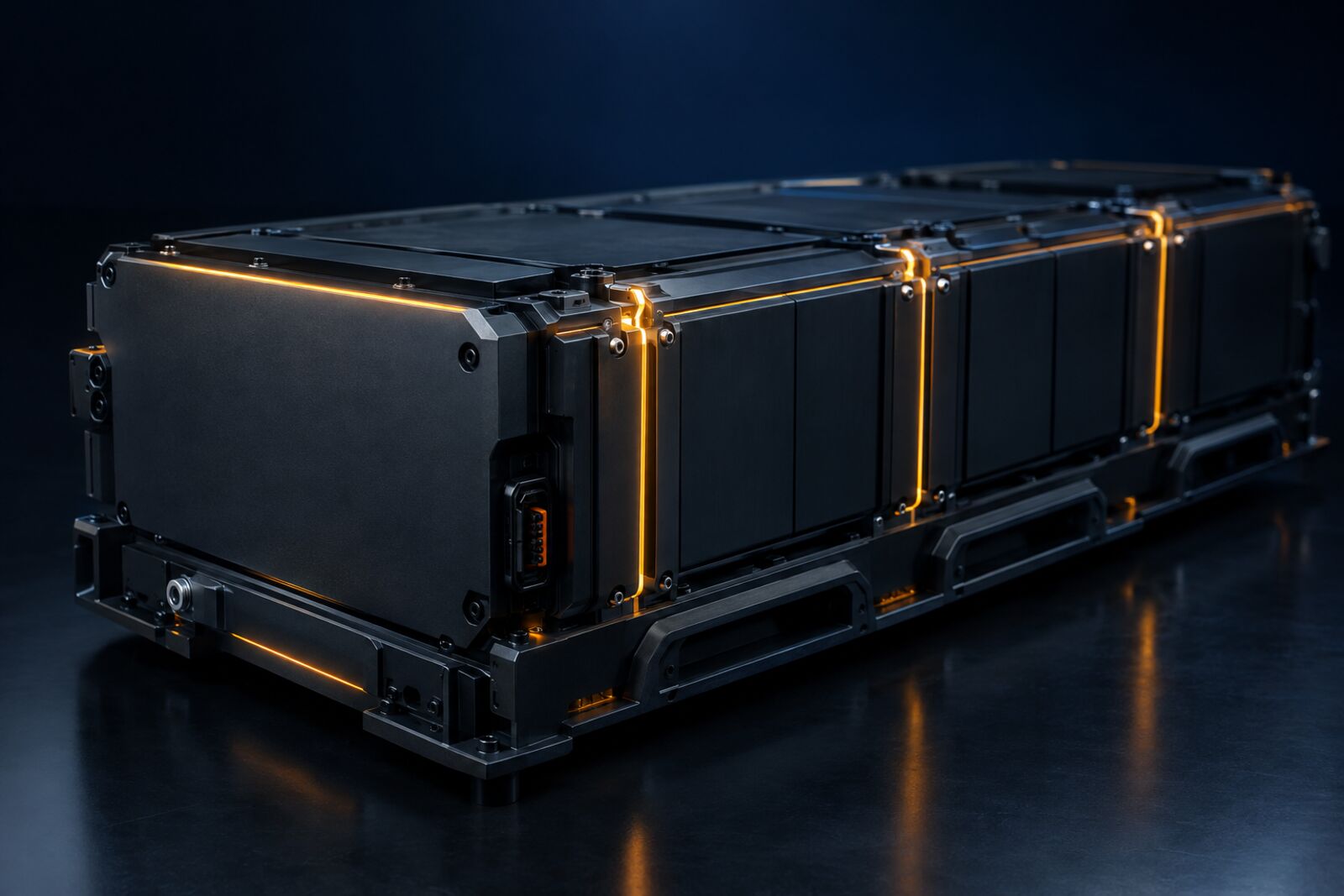
Concept rendering — not to scale; not a patent drawing
Eight categories of signal
The platform is being designed to draw on a broad set of signal types within the battery housing. Specific sensors, configurations, and methods are confidential.
Thermal
Temperature behaviour across cells and the housing.
Gas
Chemical signatures that can accompany early cell venting.
Pressure
Changes inside the enclosure that may indicate a developing fault.
Electrical
Voltage and current behaviour that can reveal internal faults.
Particulate
Airborne particles associated with overheating cells.
Humidity
Moisture conditions that can contribute to corrosion and shorts.
Vibration
Shock and mechanical stress that can damage cells.
Leakage
Insulation and isolation integrity of the battery system.
One view of battery health
The remote monitoring concept is intended to give operators a single, clear picture of battery condition and system readiness across a site or fleet.
Under development
The NEX GEN platform is at the prototype stage. Specifications are subject to change and to independent validation. U.S. and international patent applications have been filed.